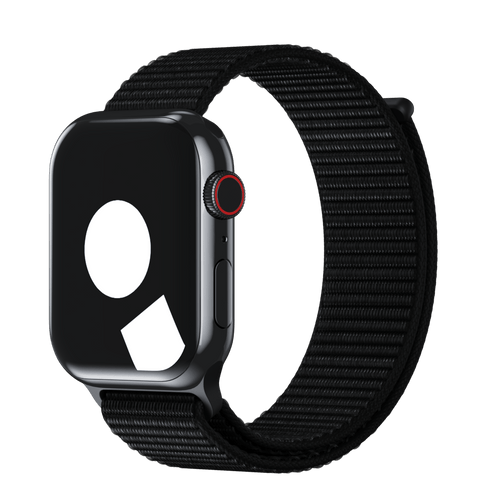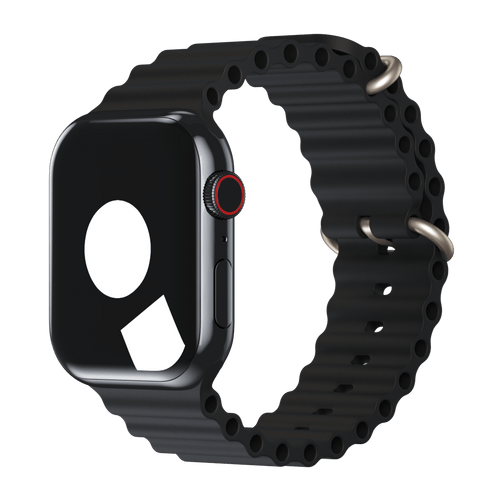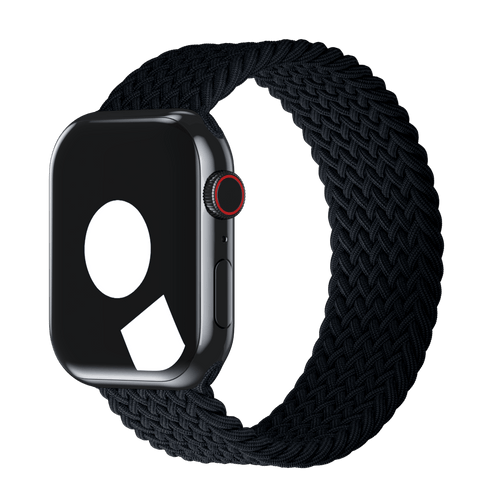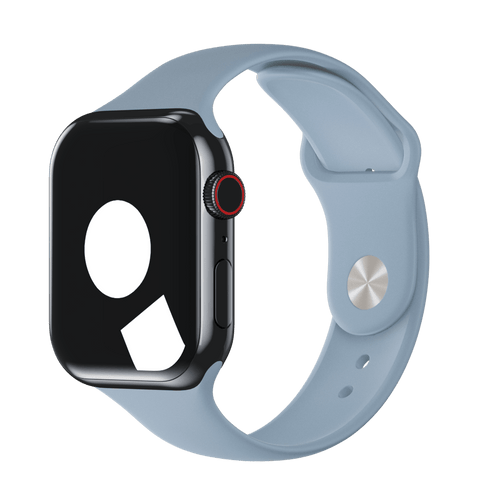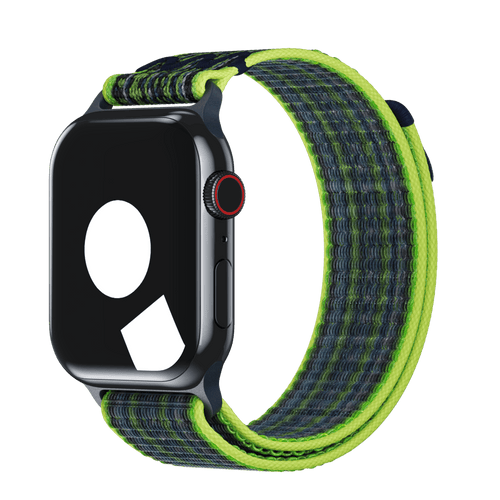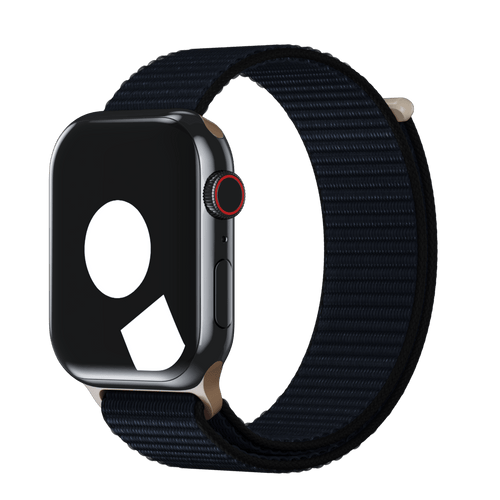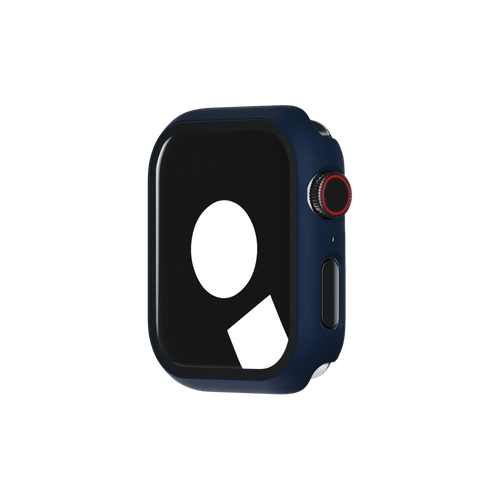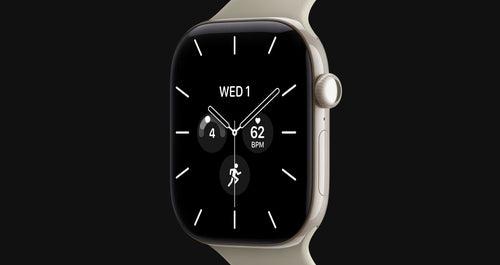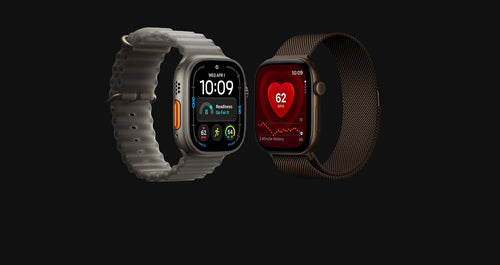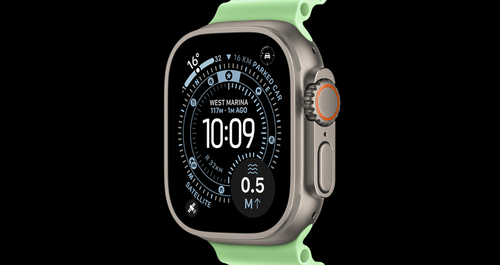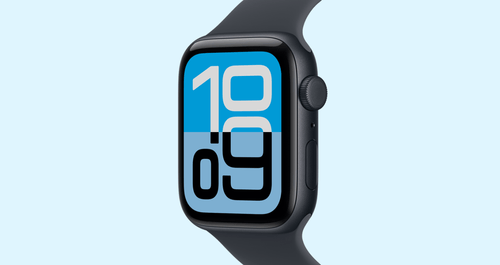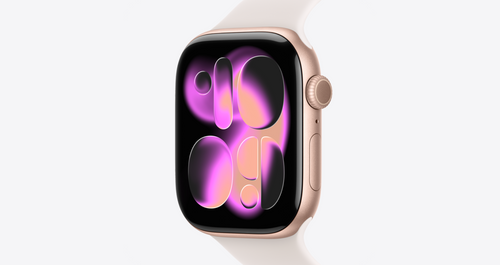
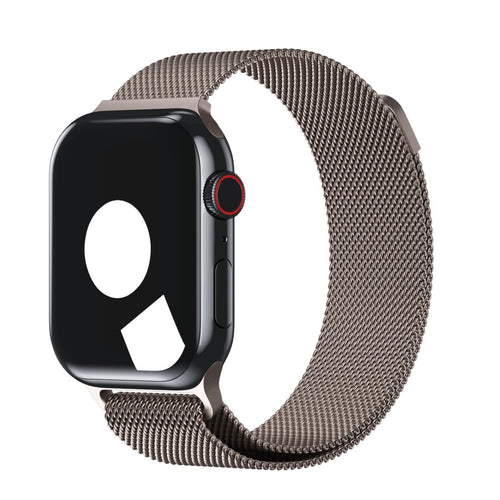
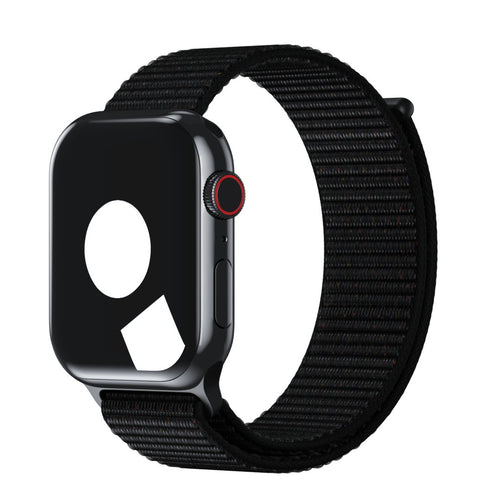

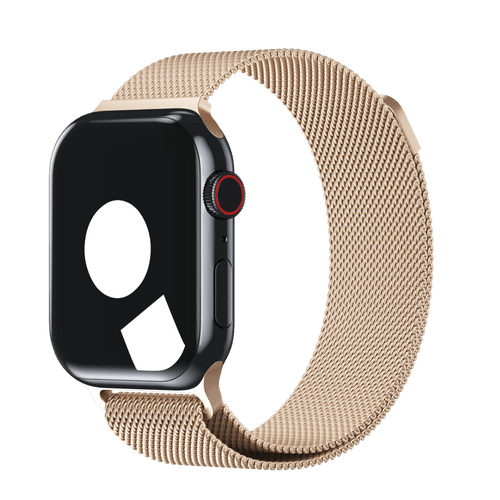
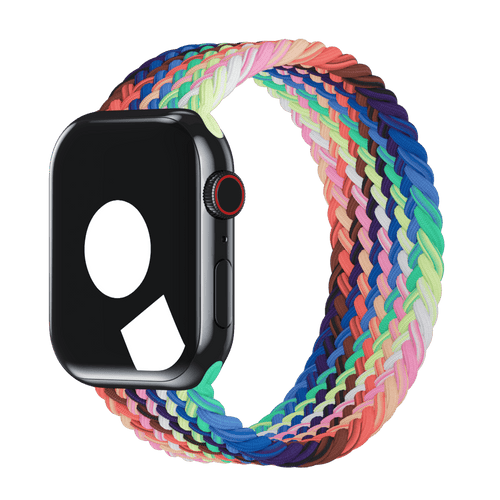

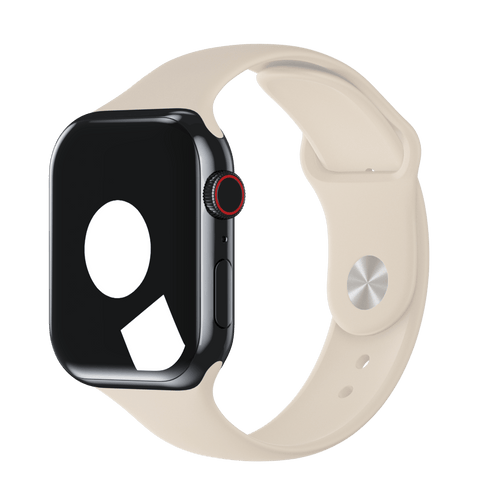


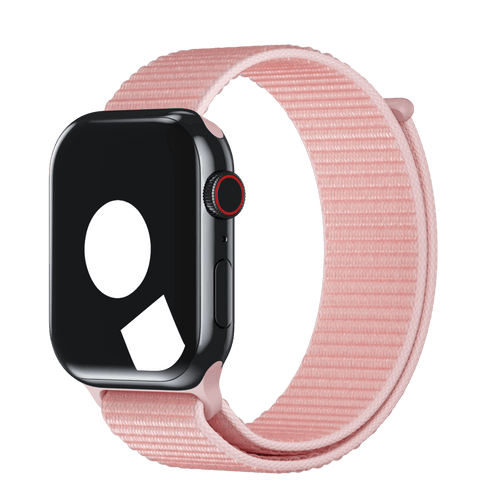
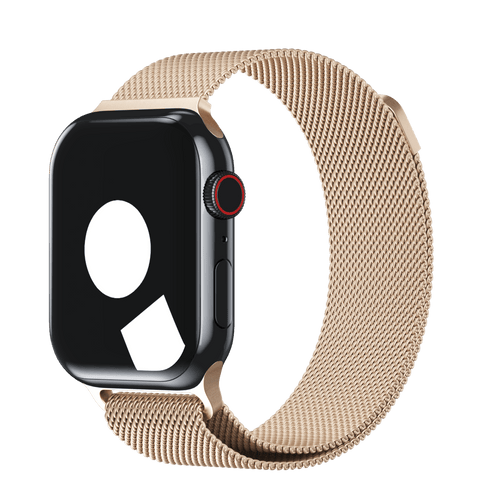
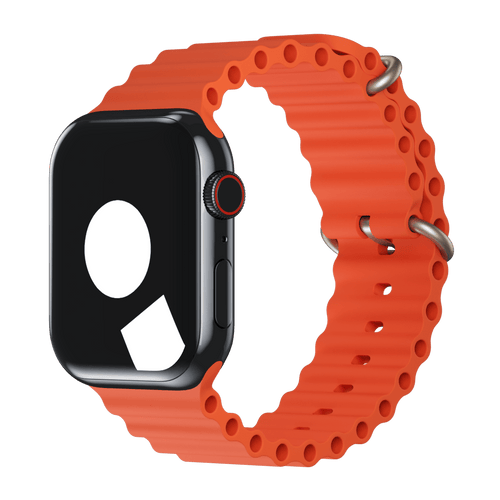
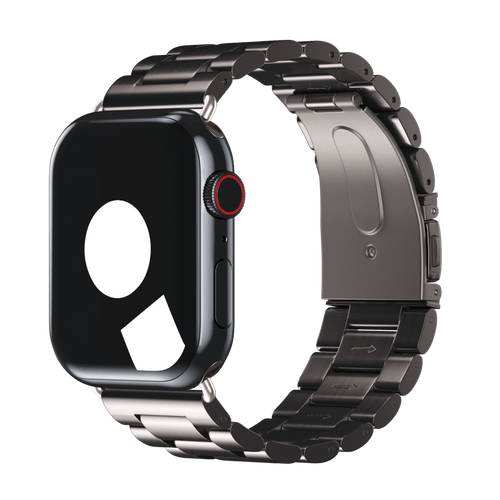


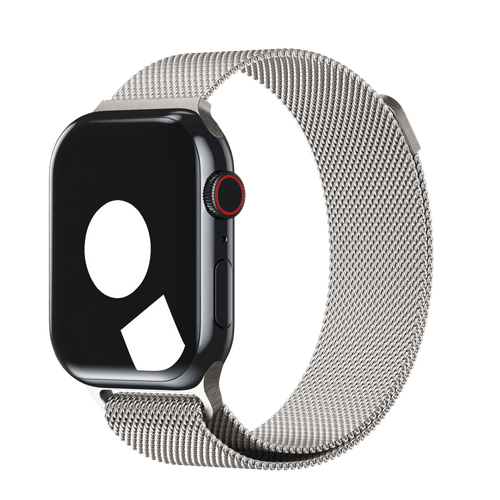
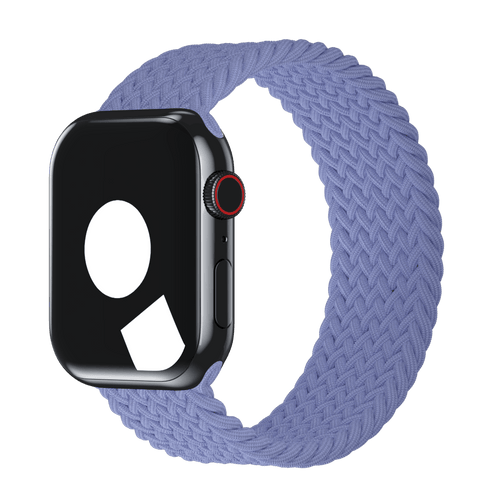
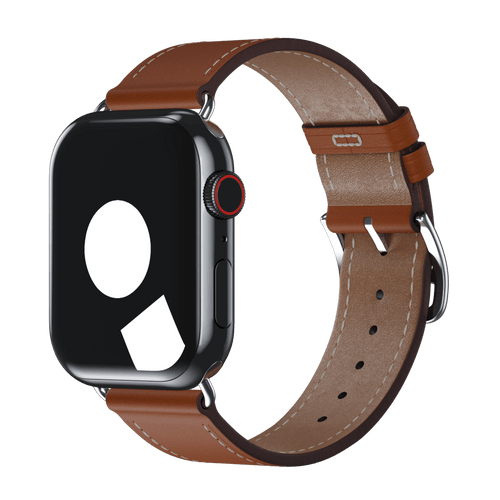
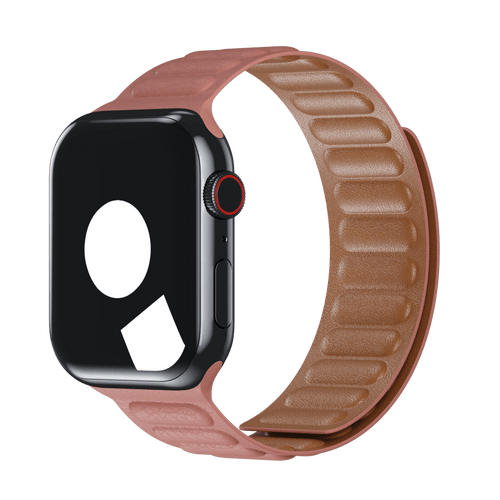
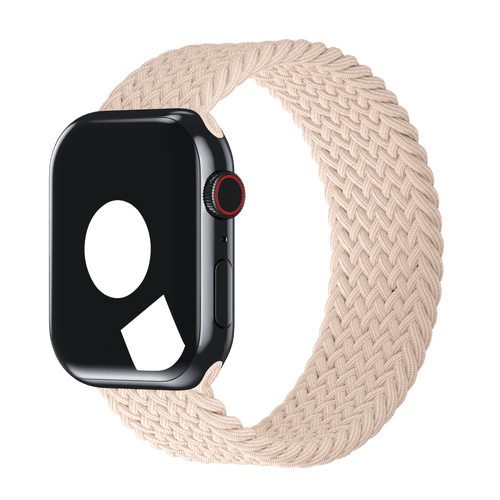
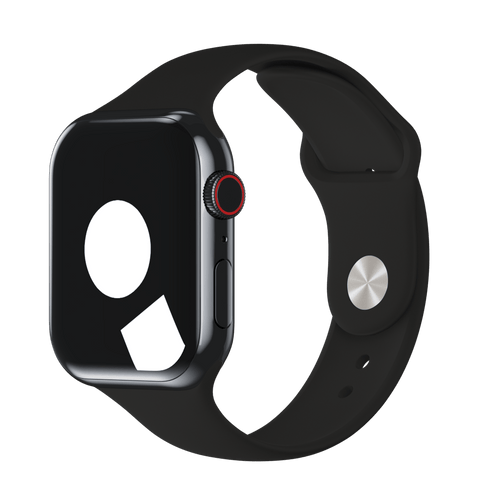
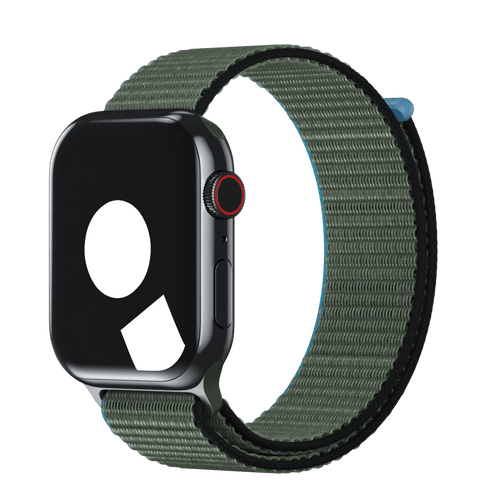
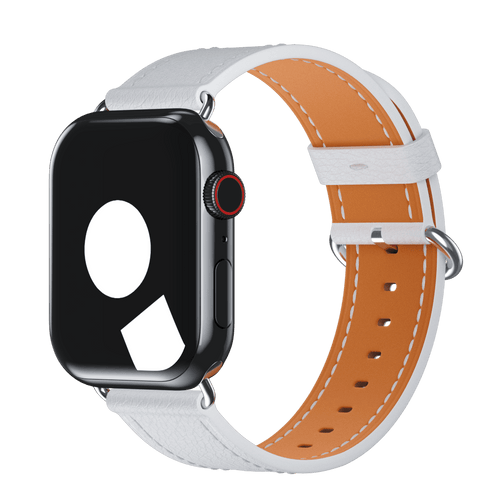
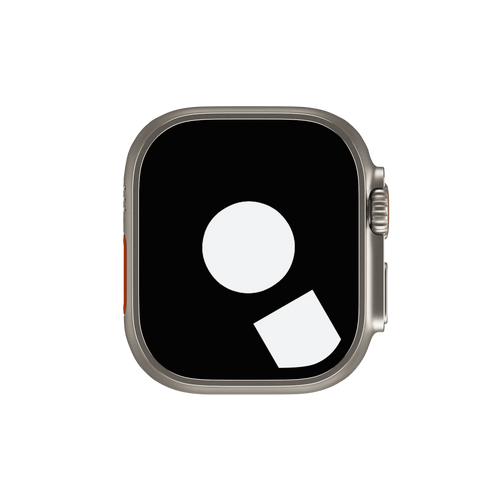




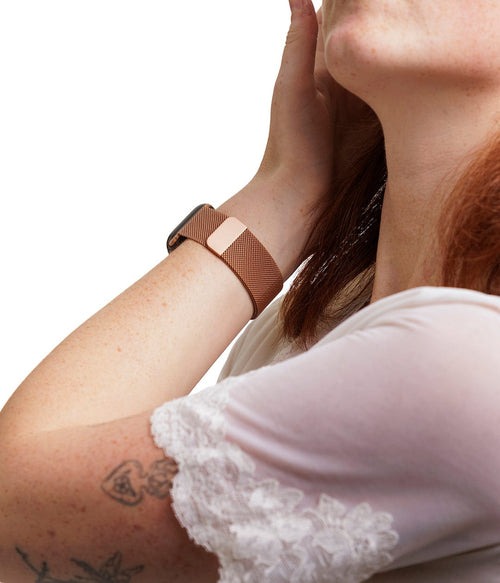
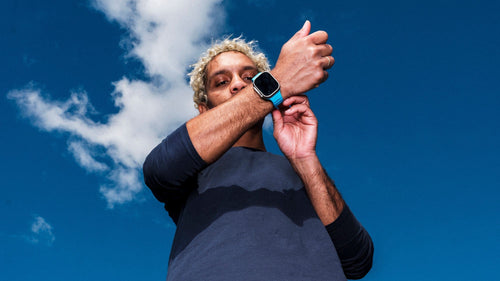
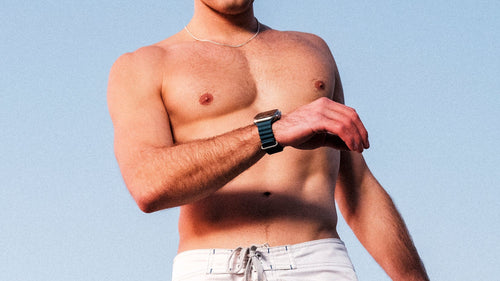
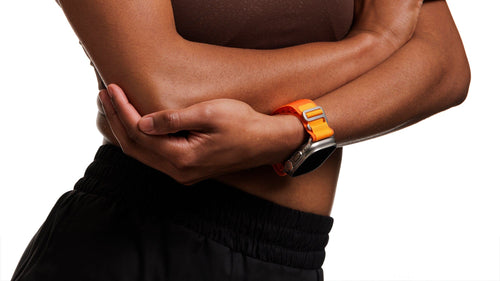
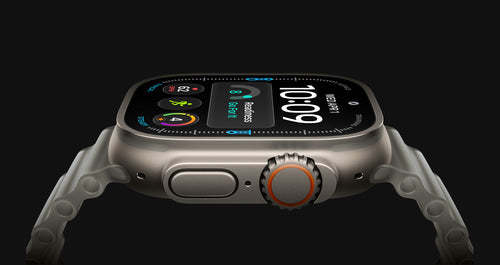
Ultra 4 keeps the same 49mm titanium case as its predecessors and the same rugged feature set — dual-frequency GPS, satellite connectivity, Action button — but pushes battery life to up to 50 hours of everyday use and up to 45 hours in Max Extended Workout mode. It shares Series 12's new Health Sensing System and Readiness score, and gets Audio Intelligence exclusive to this generation. Preorders are open now, and it ships on September 18.
The number that actually moved: battery
Ultra has always sold on endurance, and this is the year that story got materially better. Everyday battery life is now rated up to 50 hours, and in Max Extended Workout mode — GPS tracking optimised for genuinely long efforts — Apple's rating it at up to 45 hours. That's enough runway to cover something in the order of a 160km ultramarathon without needing to charge mid-effort.
If you've hit the wall on a previous Ultra mid-adventure, this is the upgrade that actually addresses it. Everything else this cycle is either shared with Series 12 or unchanged.
Same Health Sensing System as Series 12
Ultra 4 gets the identical sensor package to Series 12: redesigned optical and electrical sensors, larger and more power-efficient green LEDs, and the S11 chip behind it. Heart rate samples every five seconds all day, HRV gets measured up to 24 times more often. This is worth knowing because it closes a gap that used to exist between Series and Ultra — the sensor hardware is no longer part of what you're paying the Ultra premium for.
Readiness comes to Ultra too
The new 0–10 Readiness score — built from sleep, vitals, training load and recent activity, landing on Recover, Pace Yourself, Ready or Go For It — ships on Ultra 4 as well. Same feature, same logic, no Ultra-specific twist to it.
What's still exclusively Ultra
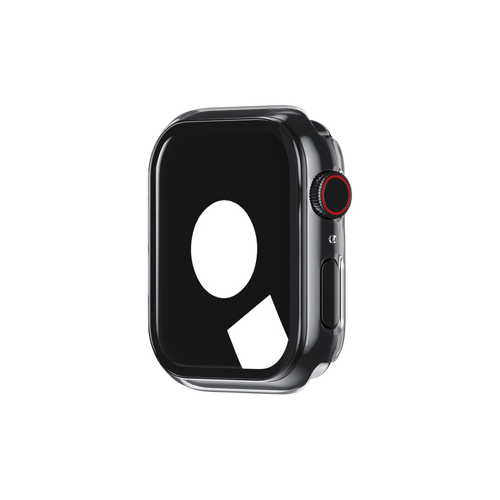
The case is unchanged from the last couple of generations: 49mm titanium, available in natural or black. What that case still carries that Series 12 doesn't:
- Dual-frequency GPS for more accurate tracking in genuinely difficult terrain (canyons, dense forest, urban canyons)
- Satellite connectivity for messaging and Emergency SOS when you're outside cell coverage entirely
- The Action button, customisable for whatever your sport actually needs
- Genuinely higher water and shock resistance ratings than either Series 12 finish
This is the actual case for Ultra over Series 12 in 2026: not the sensors, not the AI features, not Readiness — all of that's shared now. It's the case, the battery, and the outdoor-specific connectivity.
Audio Intelligence vs. Siri AI
Same distinction as on Series 12, worth repeating because it changes the value calculation: Audio Intelligence (Live Rewind, Siri Recap, Sound Recognition, faster Shazam) needs the S11 chip and is exclusive to Ultra 4 and Series 12. Siri AI, the rebuilt conversational Siri, is a watchOS 27 feature that reaches Series 9 and later, SE 3, and Ultra 2 and later too — it's not a reason to specifically buy the newest hardware.
Who actually needs this
If you're genuinely pushing battery limits on your current Ultra — multi-day hikes, ultra-distance events, expedition-style use — the battery jump alone is a real reason to upgrade. If you're buying Ultra 4 as your first Ultra mainly for the health sensors, the AI features, or Readiness, it's worth pricing that against Series 12 first: as of this cycle, you're paying a few hundred more for battery, case toughness, and outdoor connectivity, not for anything health- or software-related.
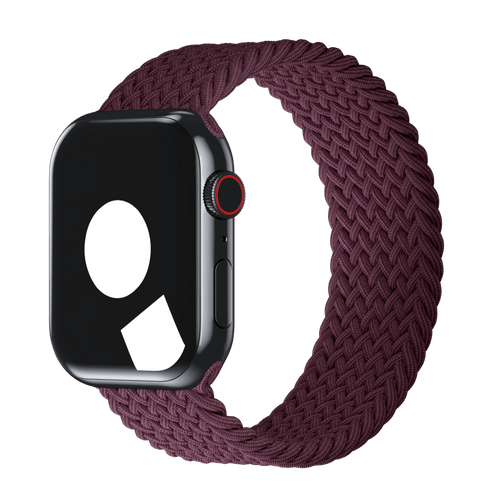
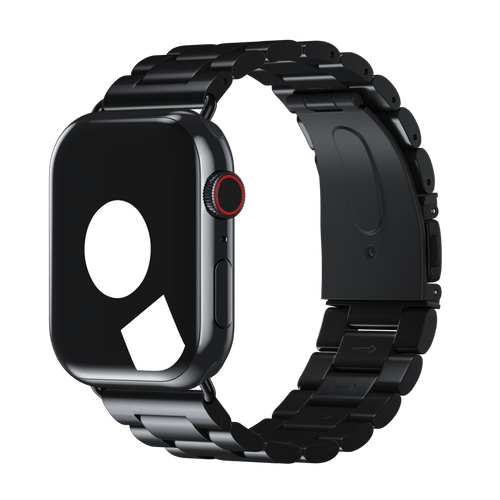
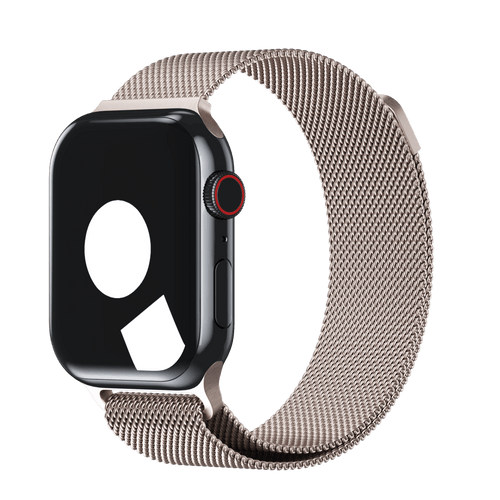
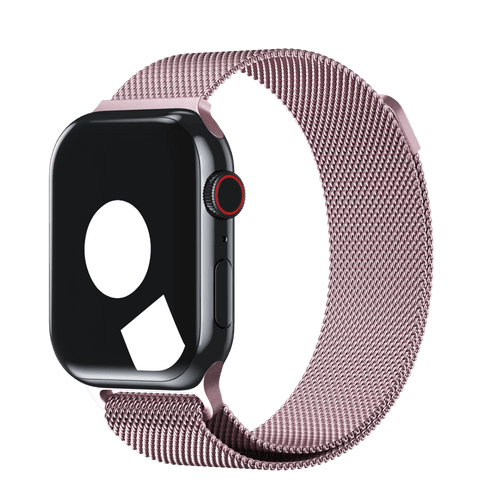
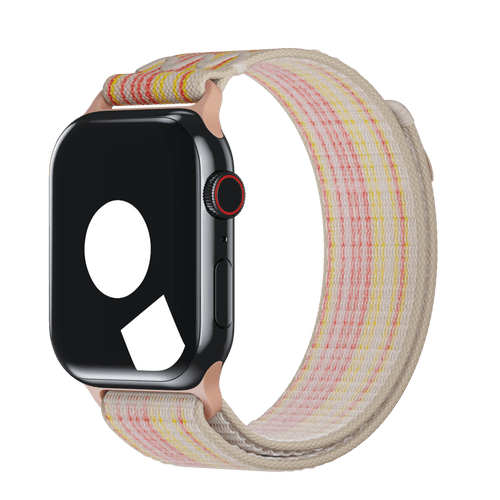
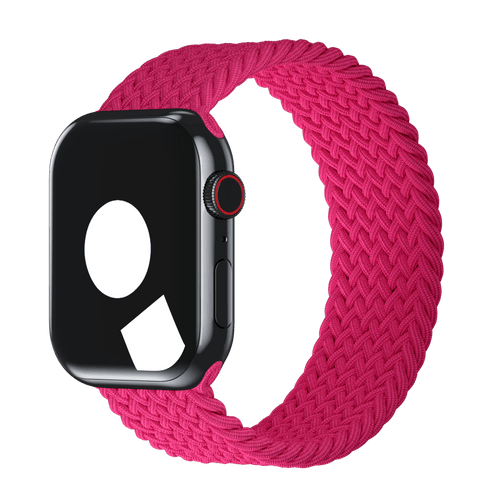
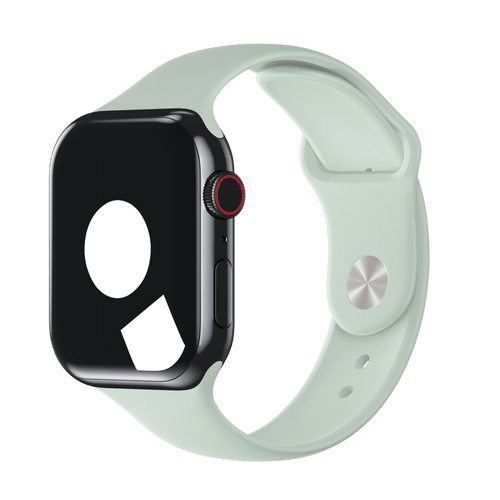
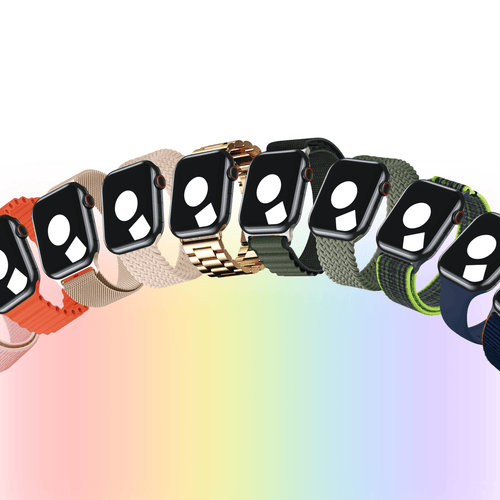
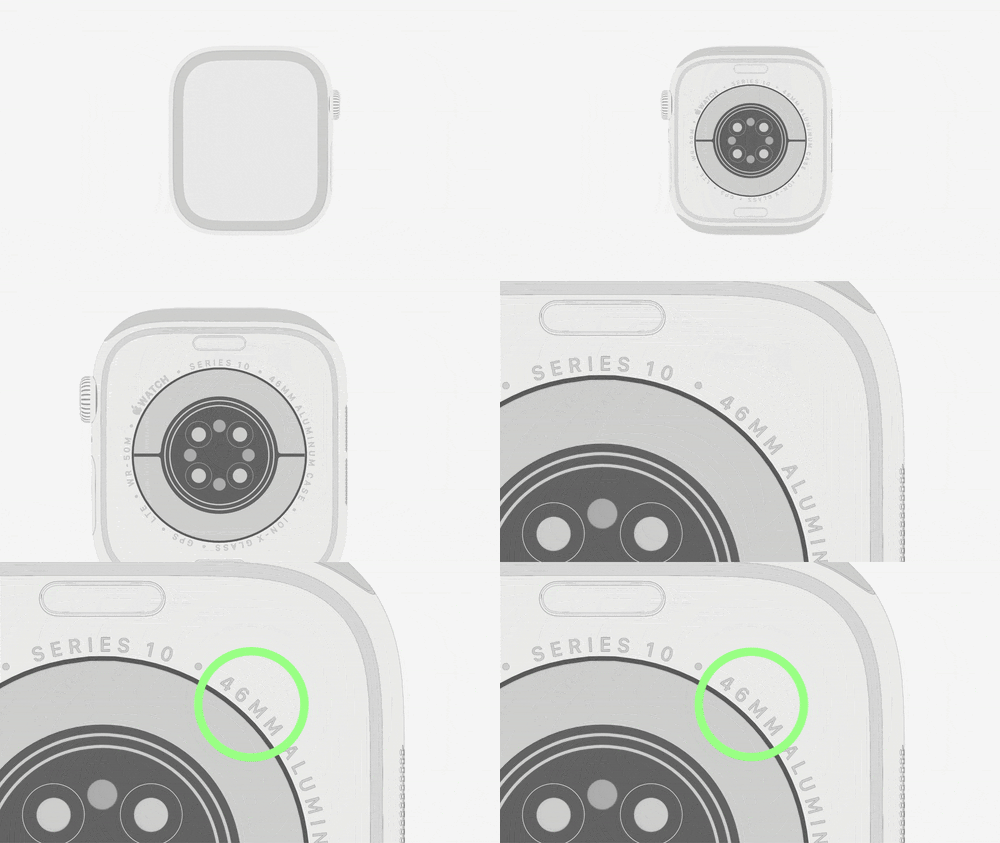
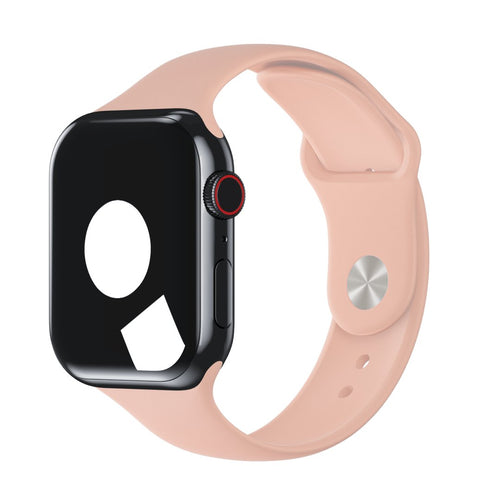
Case size hasn't changed — 49mm, same lug system as every Ultra before it — so your existing bands make the jump with you.