













Let's not sugarcoat it. Apple quietly told a huge chunk of Apple Watch owners to get absolutely stuffed following their announcement of watchOS 27.
🪦 SE 2.
🪦 Series 6.
🪦 Series 7.
🪦 Series 8.
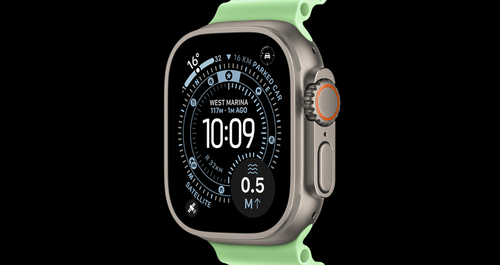
🪦 Ultra 1.
Gone. Done. Legacy. Thanks for your money.
So What's Actually Getting Cut?
If your Apple Watch was released in 2022 or earlier, you're done receiving major software updates. Full stop.
That means no Apple Intelligence. No new Siri. No watchOS 27 features of any kind. You're not just missing out on fun stuff — you're being quietly frozen in time while every new Apple Watch owner gets a fundamentally different experience.
It's a gut punch. We get it.
Here's Our Hot Take Though: Apple Isn't Wrong
Look, nobody loves being told their (minimum) $500 Apple Watch is now a paperweight-adjacent device. But Apple isn't cutting these models out of spite — they're cutting them because the hardware genuinely can't keep up with where they're taking things.
Apple Intelligence isn't a gimmick they're bolting onto existing chips. It requires real processing grunt. The older Apple Watch lineup simply doesn't have it, and pretending otherwise would mean watering down the whole platform.
Would you rather Apple Intelligence existed but ran like garbage on your Series 7? Or would you rather know exactly where you stand?
We'll take the hard truth over a slow, painful half-experience every time.
But Let's Be Honest About What You're Actually Missing
This isn't just about new emoji or a fresh Apple Watch face colour.
Getting cut from watchOS 27 means you're off the Apple Intelligence train entirely. The smarter Siri, the on-device AI features, the stuff Apple is clearly betting its next decade on — none of it is coming to your wrist.
And the gap isn't going to narrow. It's going to widen with every software cycle from here.
Your Apple Watch still works. Your rings still close. But you're running yesterday's experience on today's hardware prices, and that ratio is only going to get worse.
4–6 Years Is a Solid Run. Seriously.
Here's the thing people are glossing over in all the outrage — if you're on a Series 6, 7, or 8, you've already got serious mileage out of that device.
That's 4 to 6 years. For an Apple Watch that gets sweat on it daily, charged nightly, and bashed around constantly? That's not a betrayal. That's a pretty reasonable lifespan.
You got your money's worth. Now it's time to move on.
Why This Year Is Actually a Smart Time to Upgrade
Upgrading this year isn't just about getting watchOS 27. It's about buying yourself another 4–5 year window before this conversation happens again.
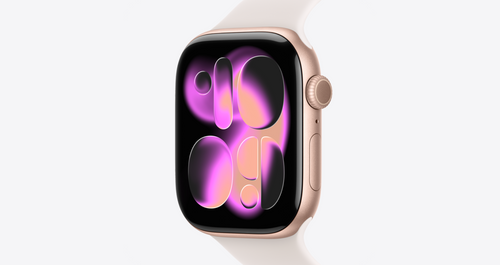
Newer Apple Watch models are faster, significantly more power-efficient, and built from the ground up to handle everything Apple is building toward. You're not just getting new features — you're getting back into the cycle.
And if you're going to spend money on a new Apple Watch, you probably don't want to be doing this again in 18 months.
Should You Actually Upgrade?
Honestly? If you're on anything older than a Series 9, yes. The longer you sit on old hardware, the more the experience diverges from what Apple Watch is actually supposed to be.
If your battery has taken a hit, you're using Siri regularly, or you've been eyeing Apple Intelligence features — there's no good reason to wait.
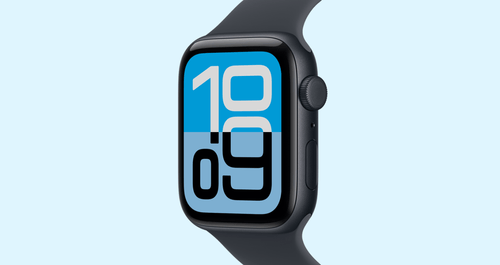
The only people who should hold off are those already on Series 9 or Ultra 2. You're still in the supported window. Sit tight and see what the next hardware cycle brings.
One More Thing
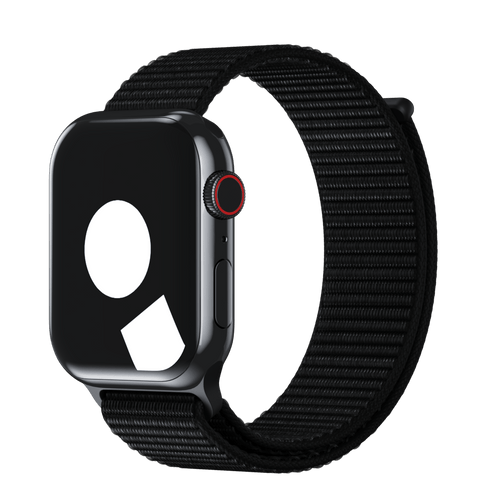
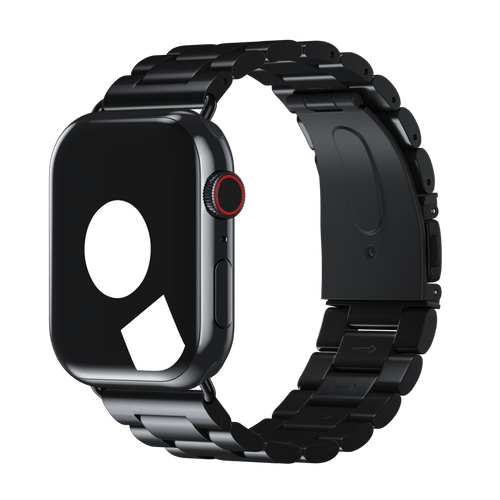
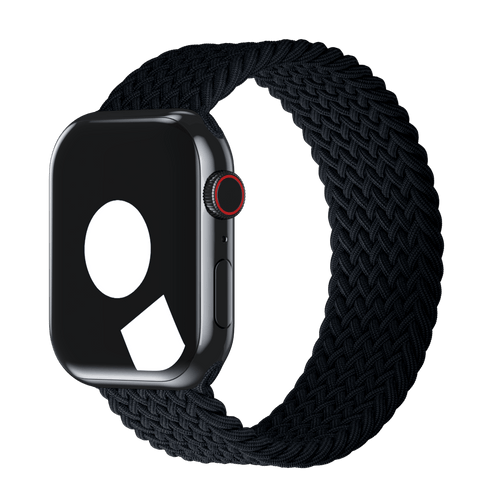
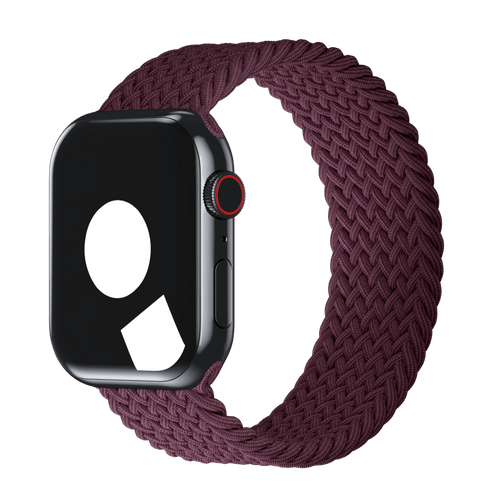
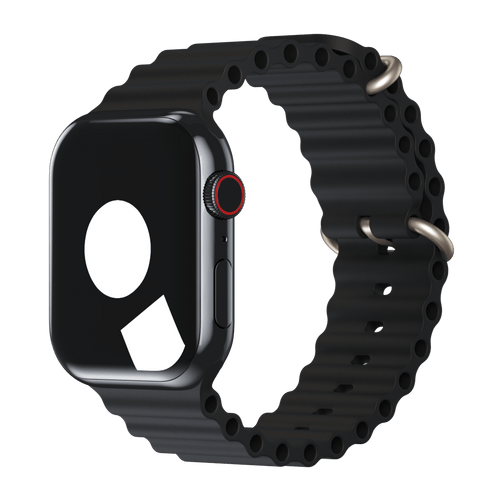
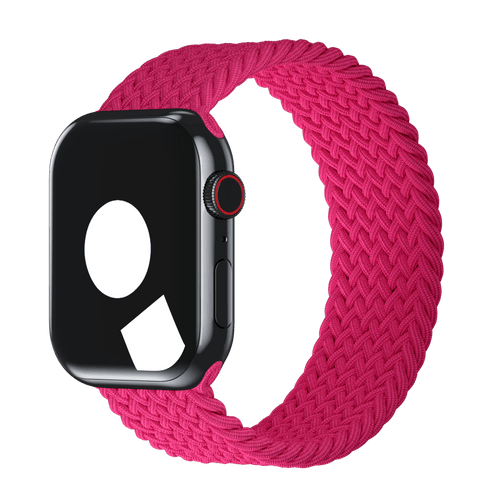
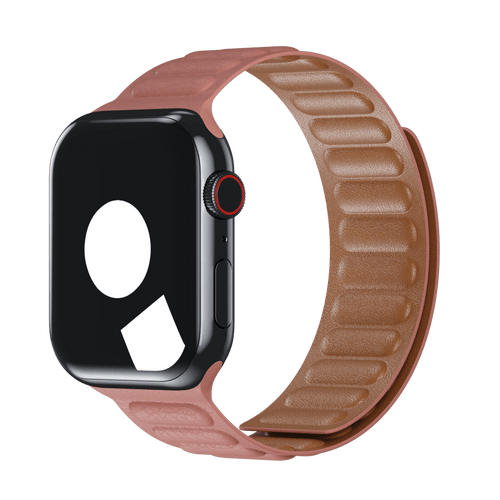
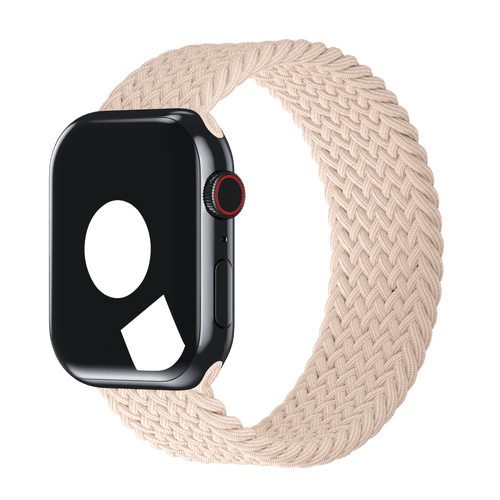
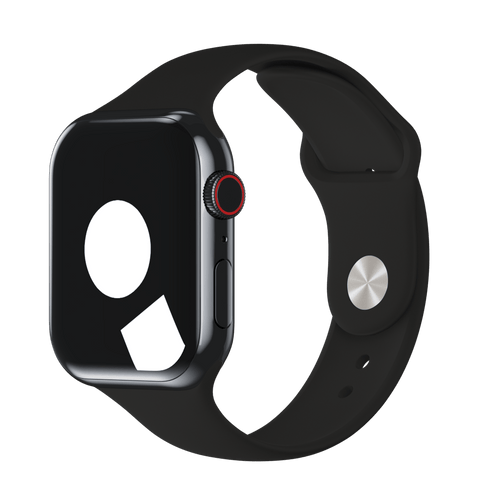
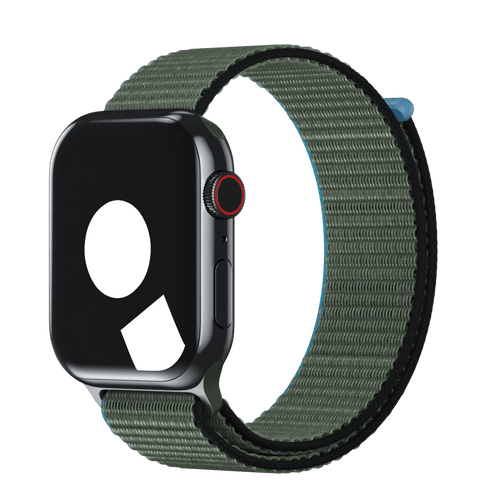
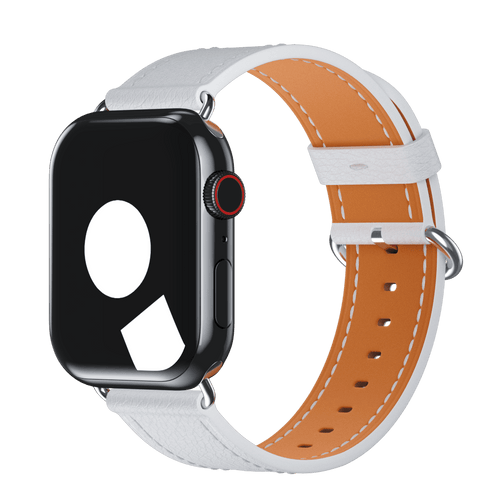
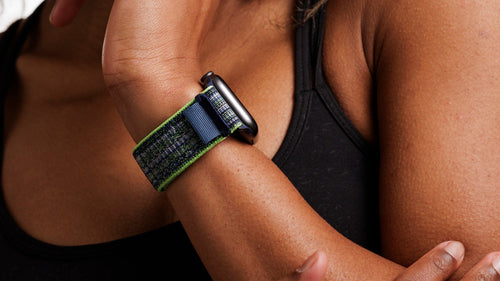
If you're making the jump to a new Apple Watch, your old straps won't cut it aesthetically either, and will be an incompatible size too.
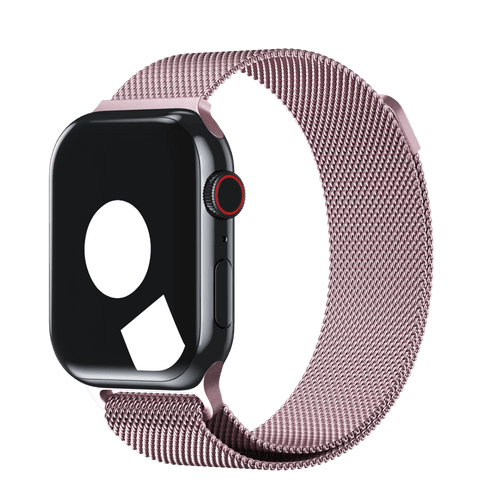
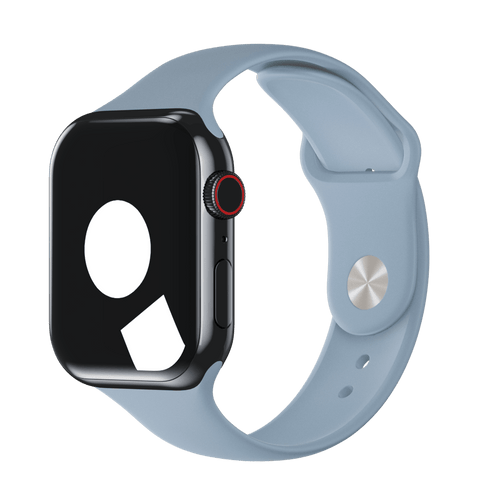
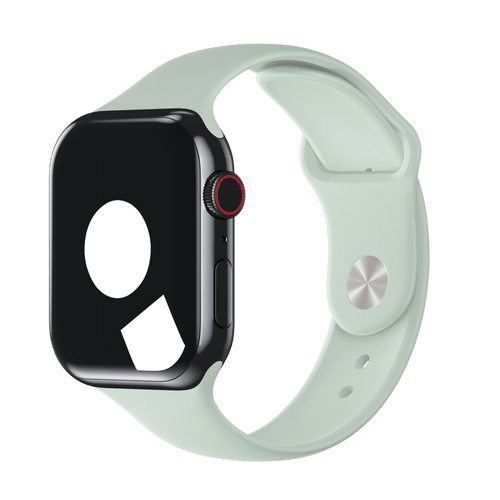
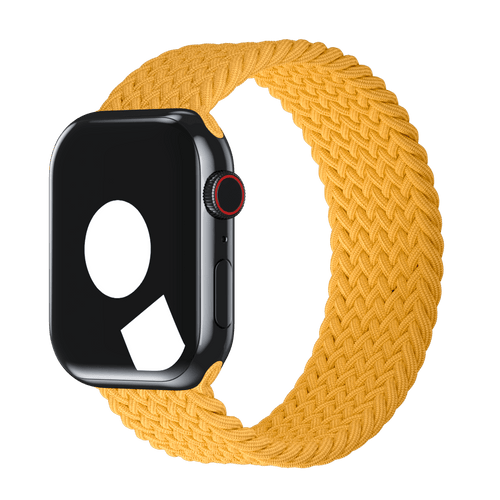
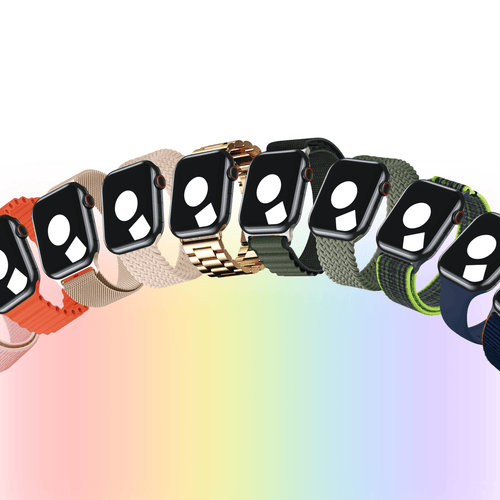
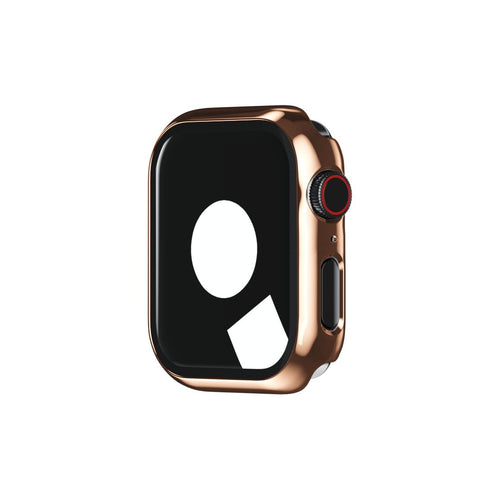
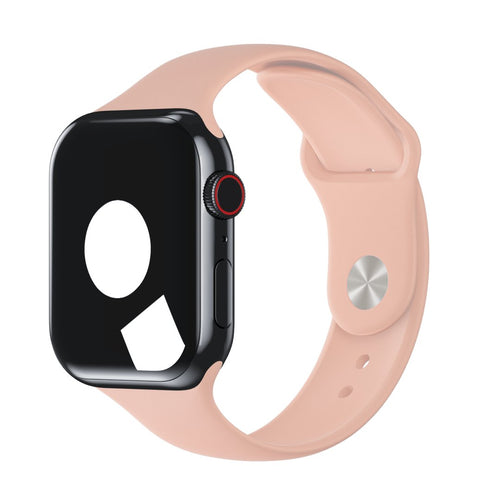
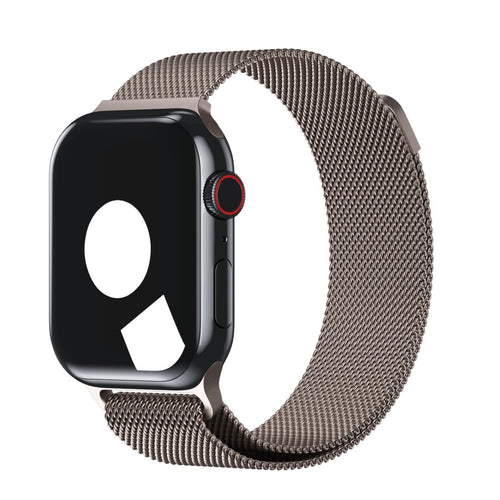
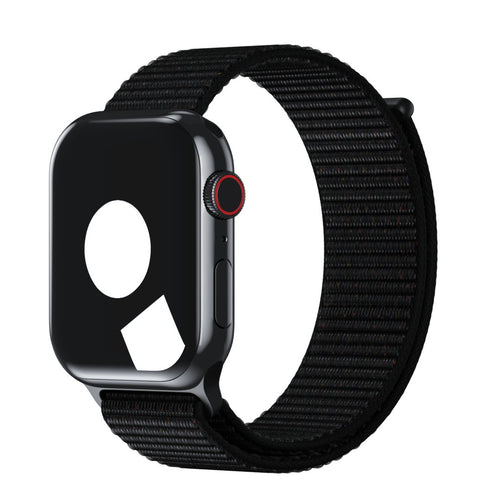
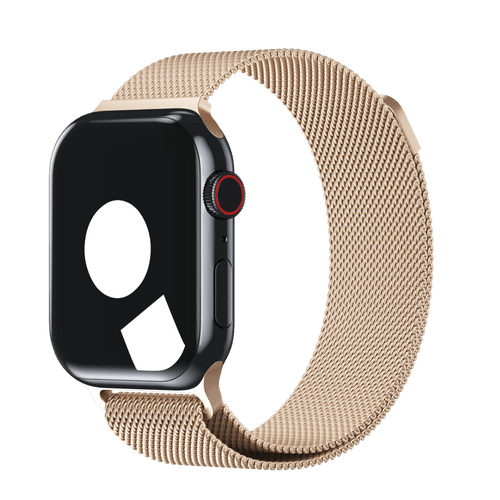
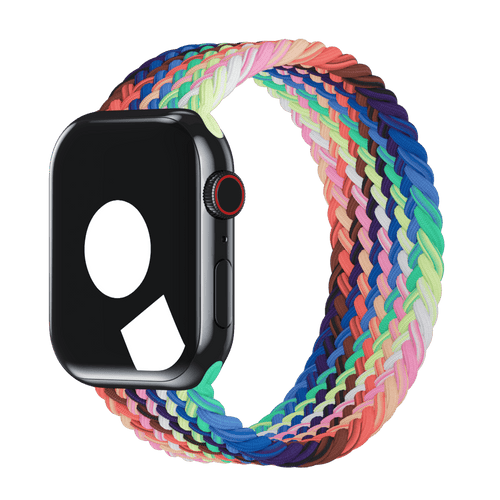
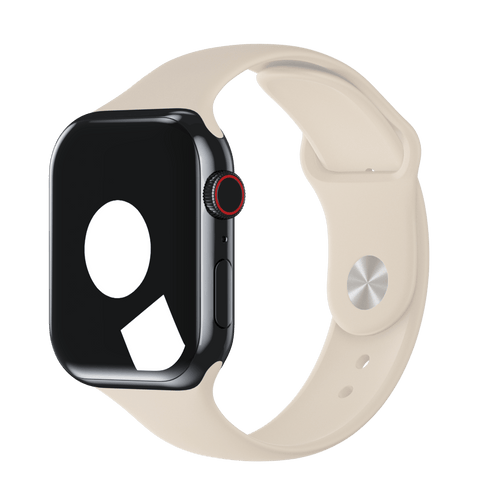
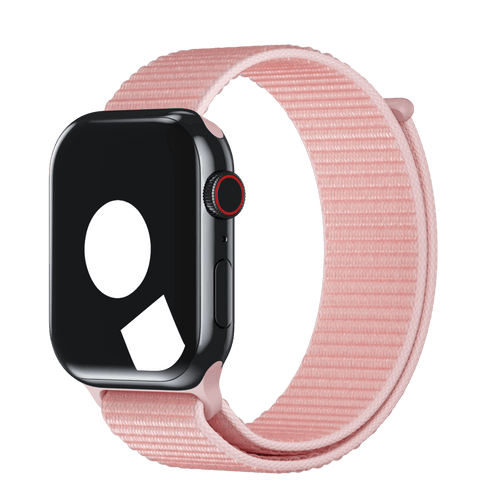
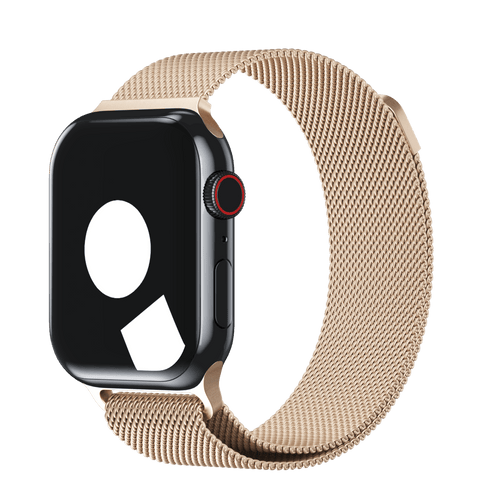
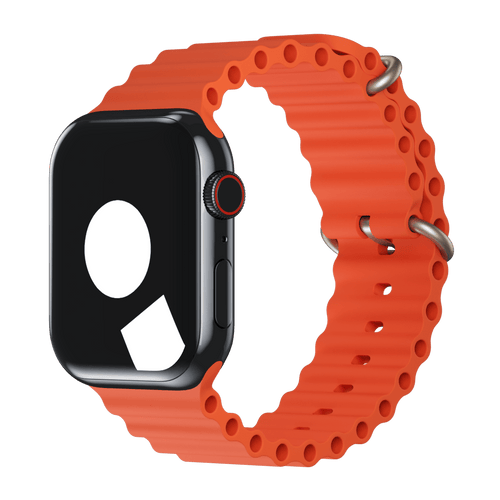
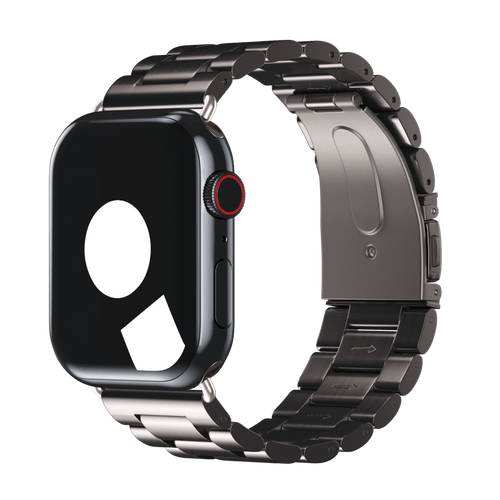
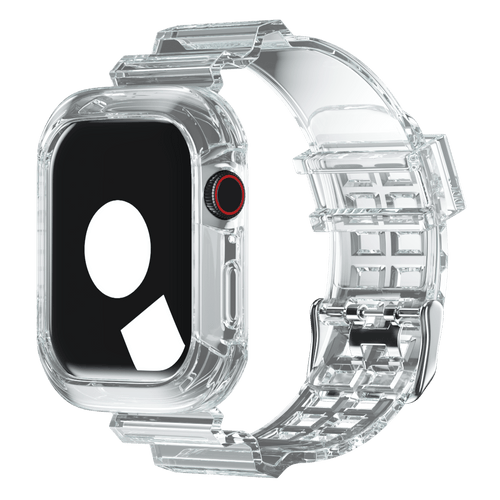
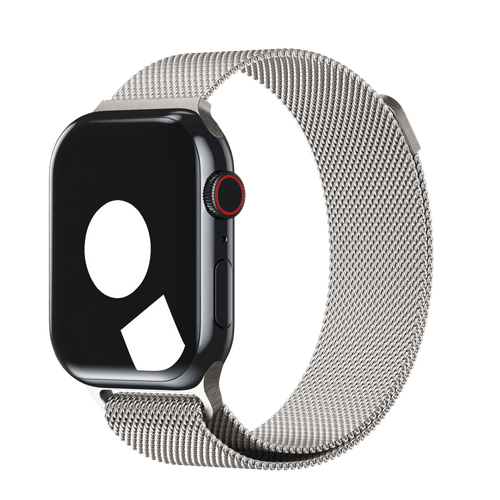
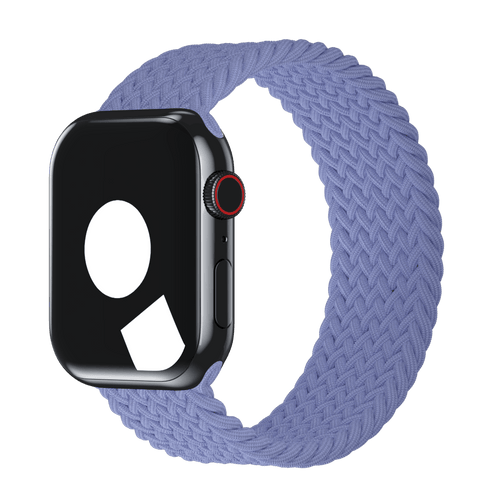
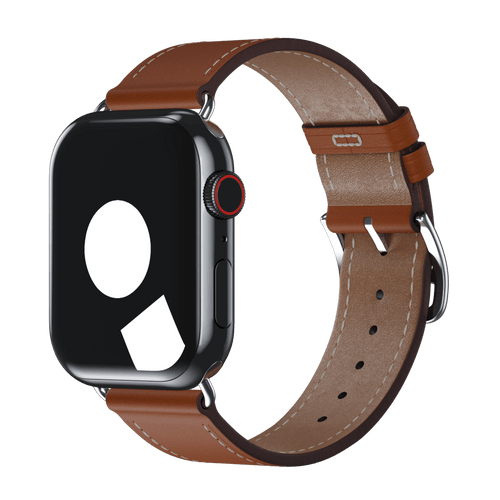
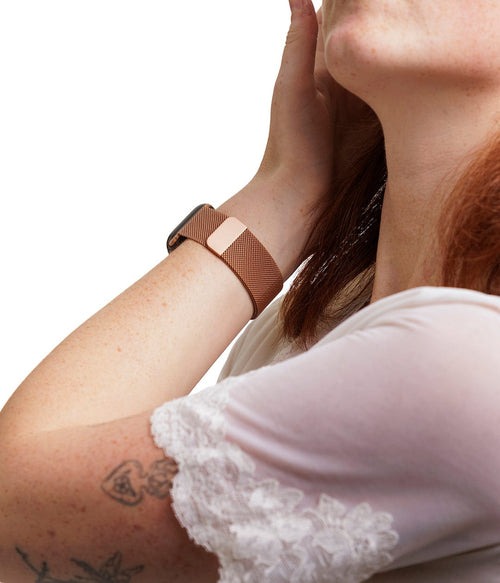
iSTRAP's range of Apple Watch bands are built for the latest Apple Watch models — whether you're going back to basics with a simple silicone Sport Band or stepping up to a Milanese Loop that actually looks like it belongs on a shiny new Apple Watch.